Monday - Friday 07:30 - 17:30, Saturday 07:30 - 16:00
Floor Sanding in Barnet
Back to Portfolio
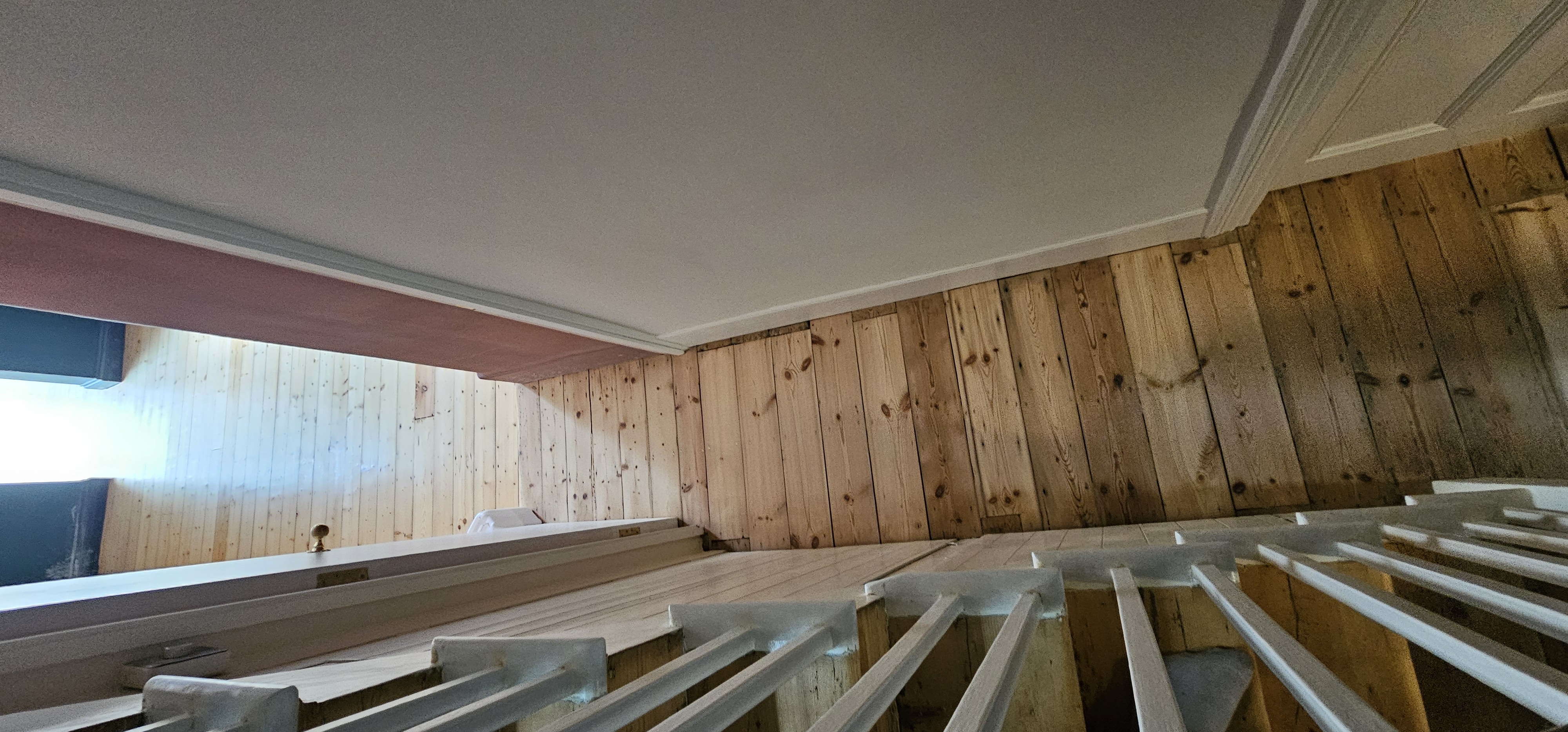
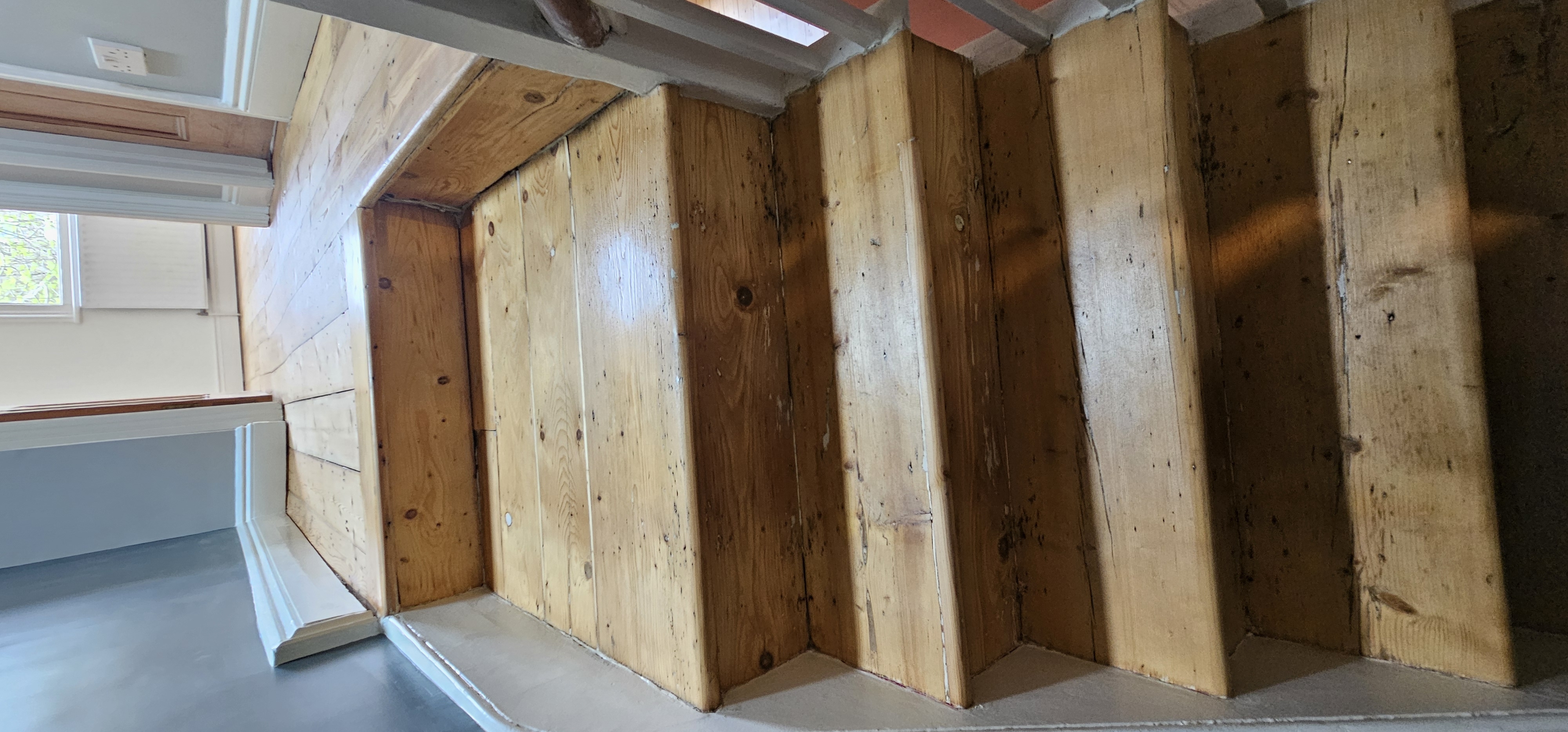
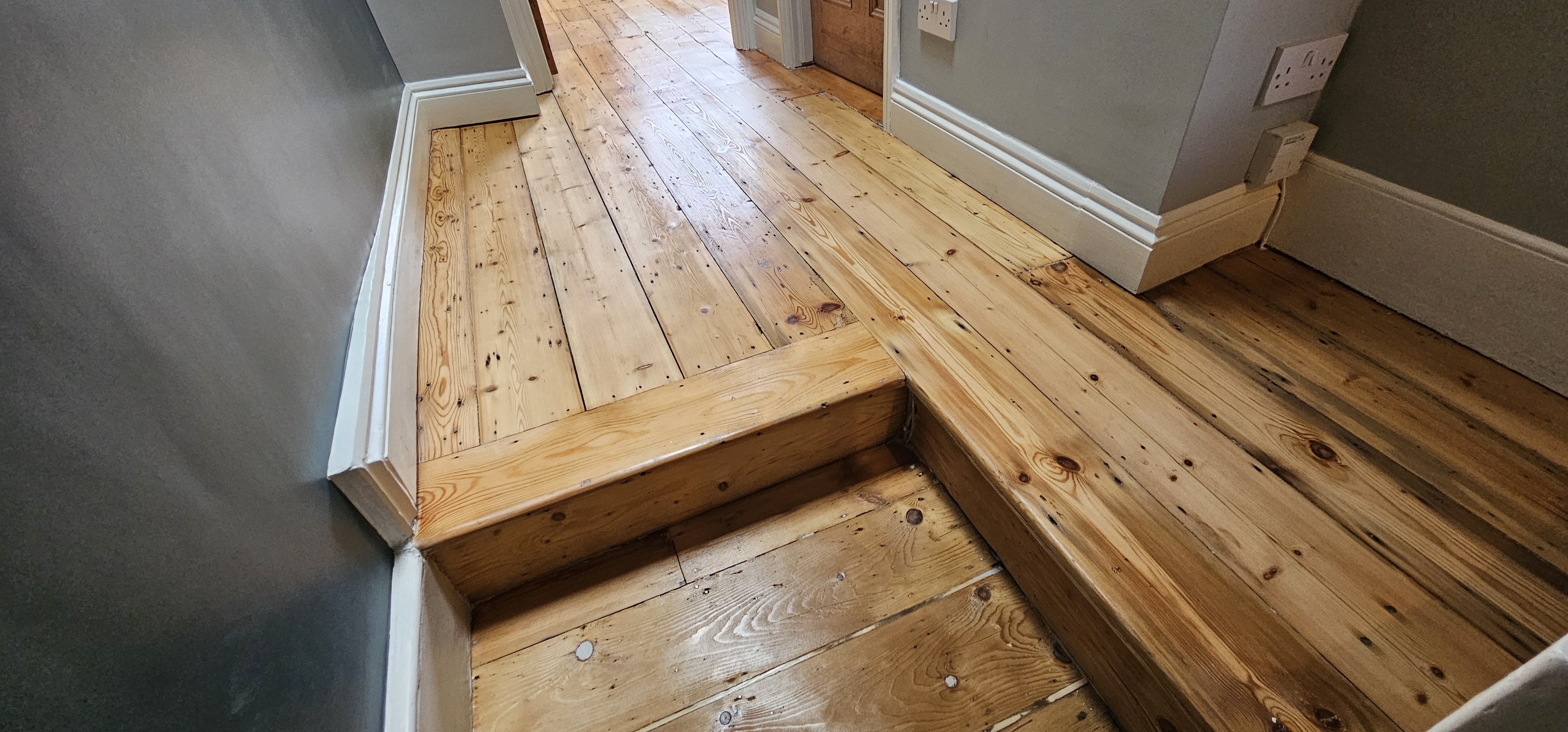
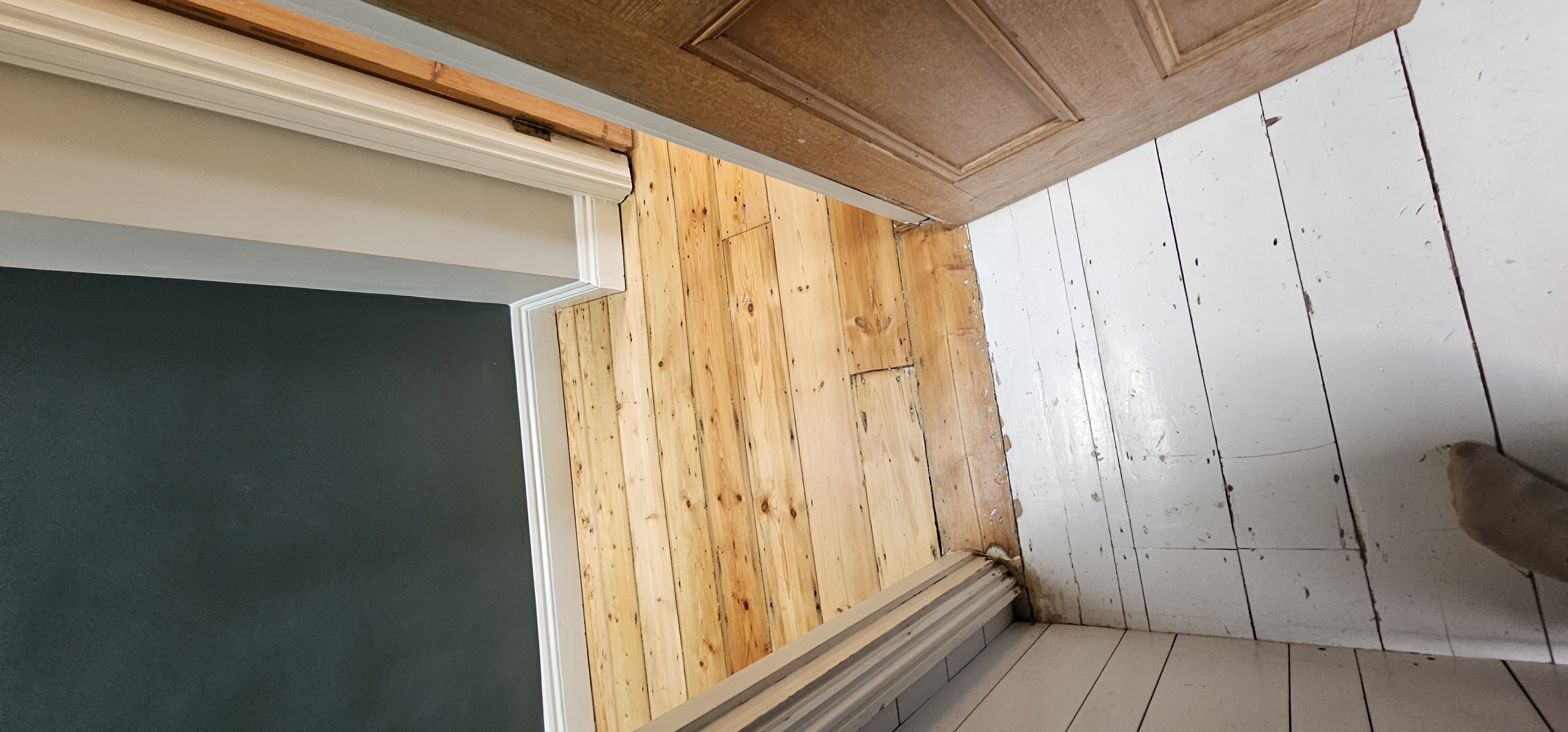
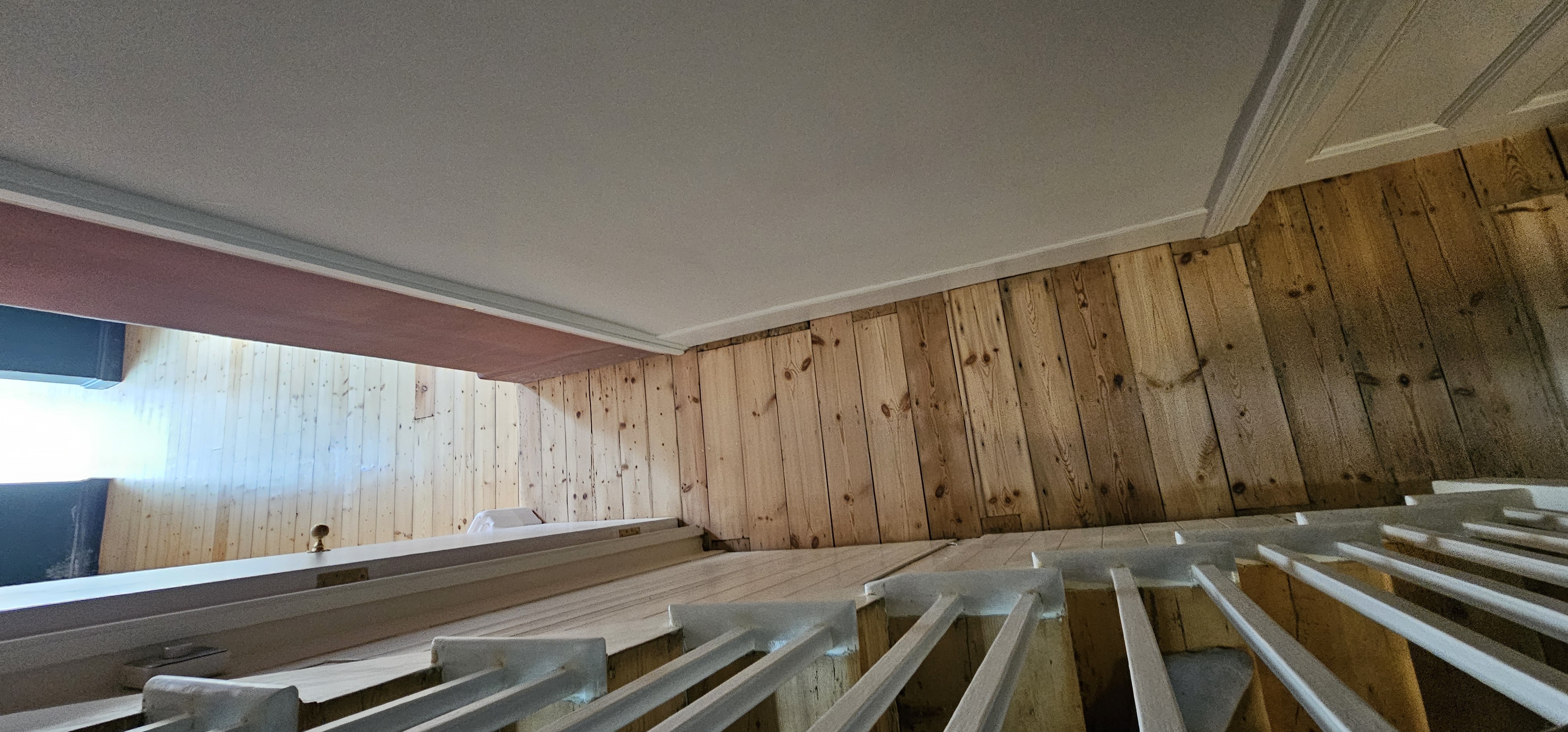
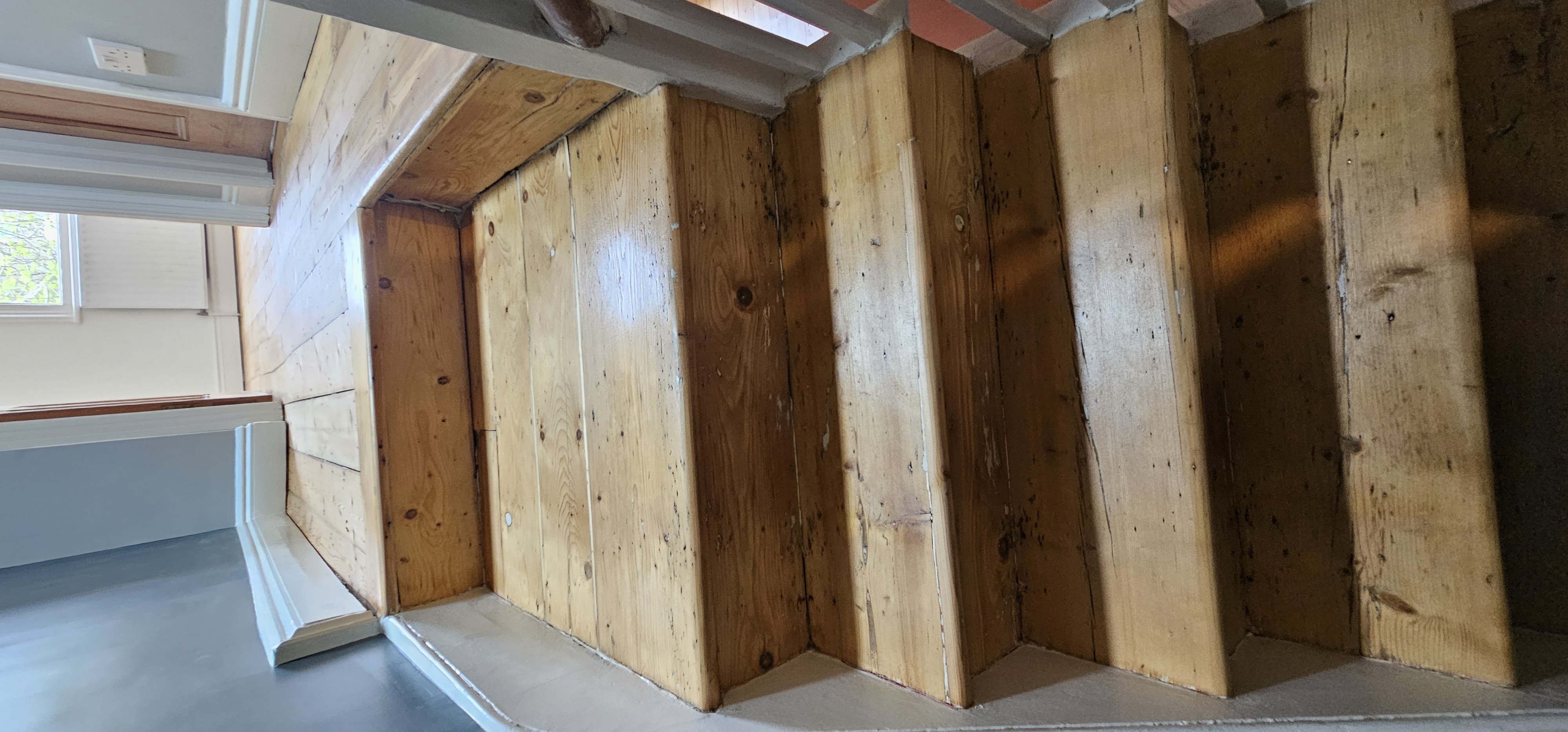
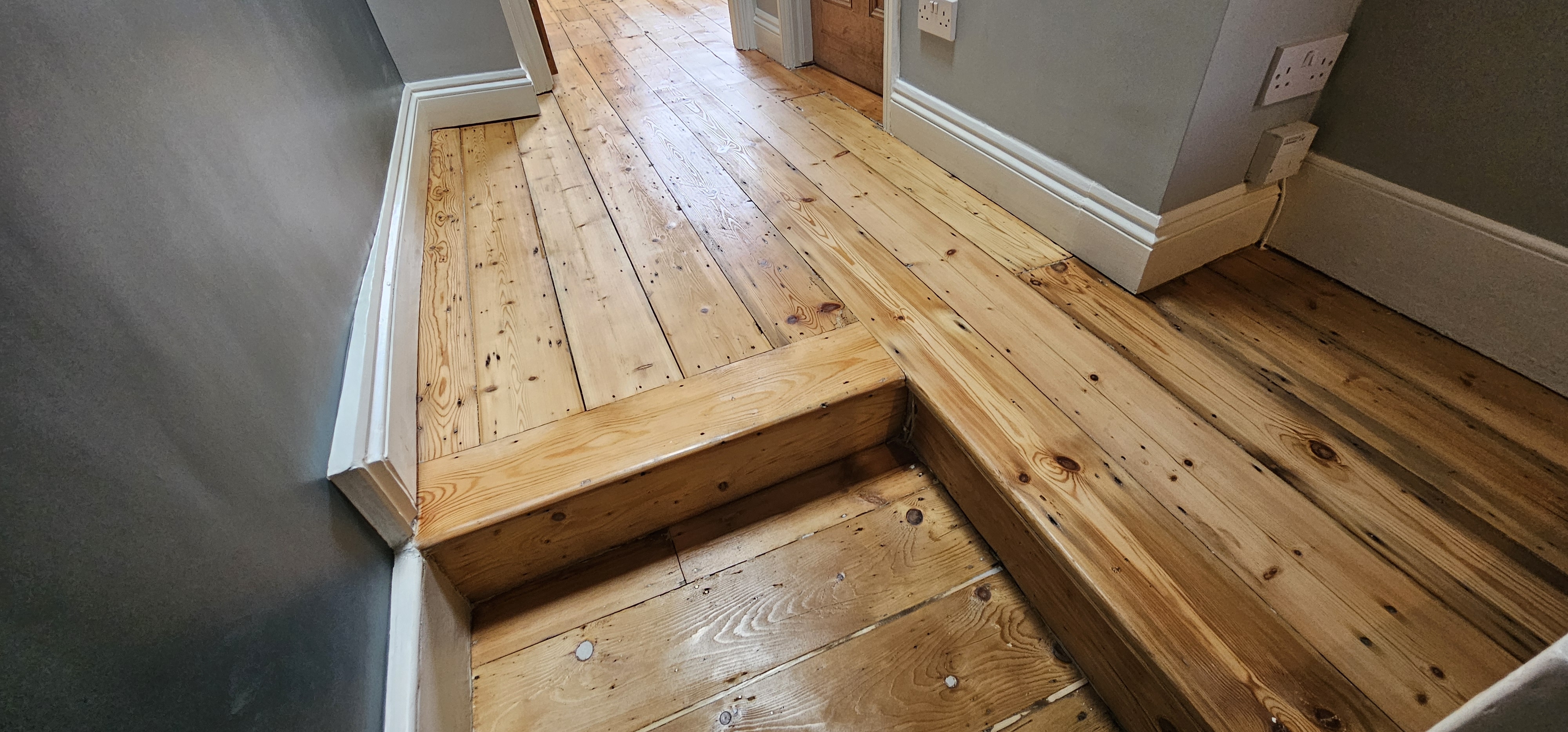
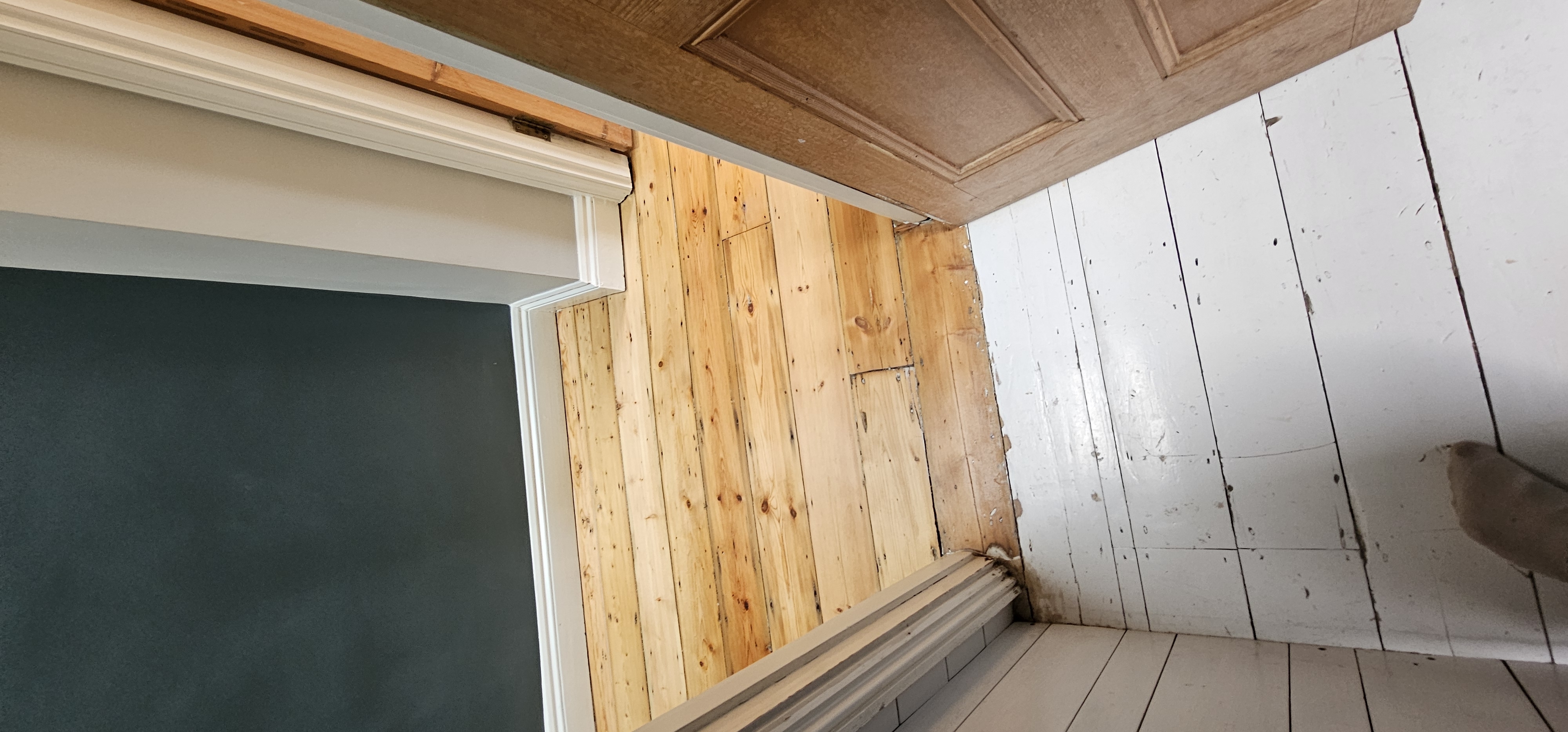
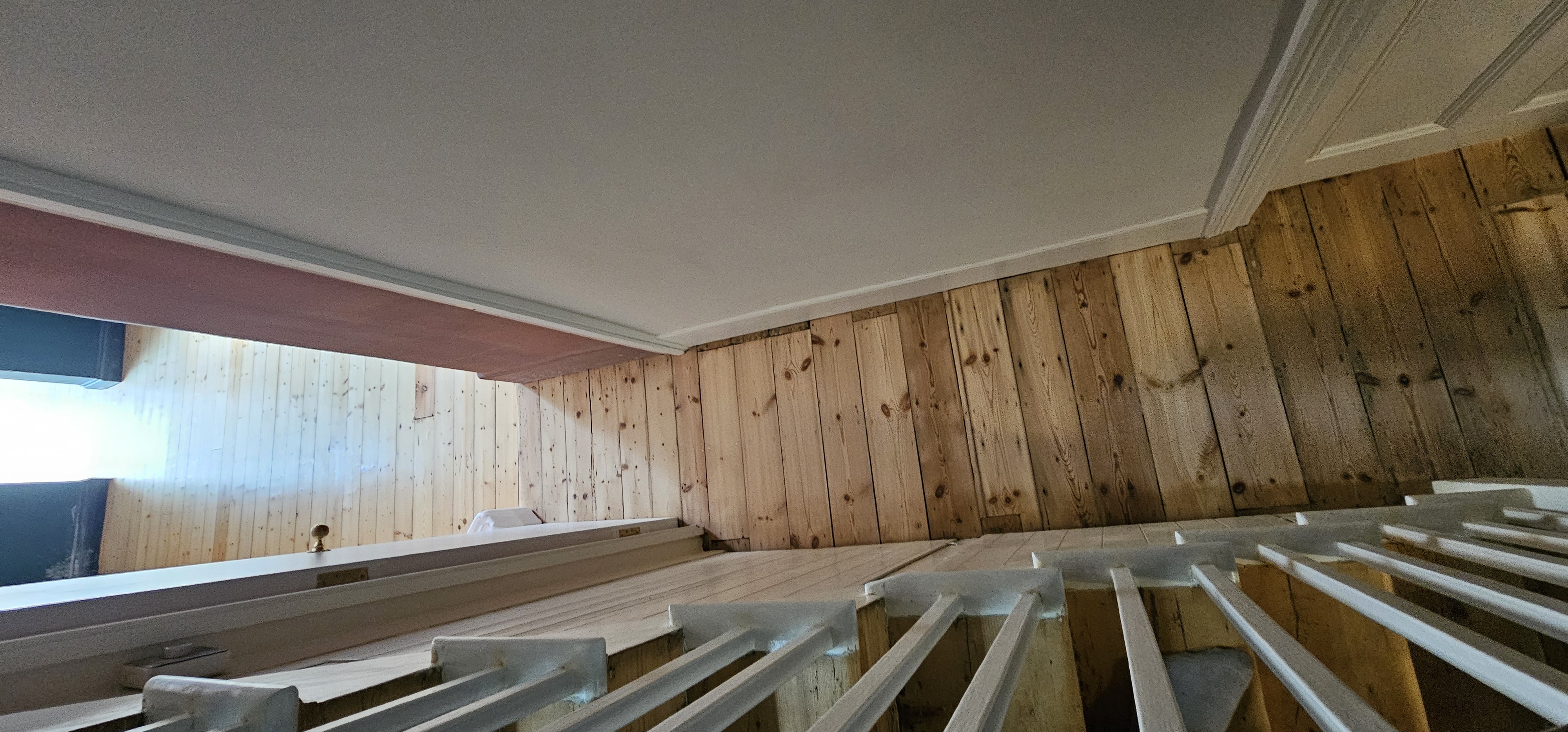
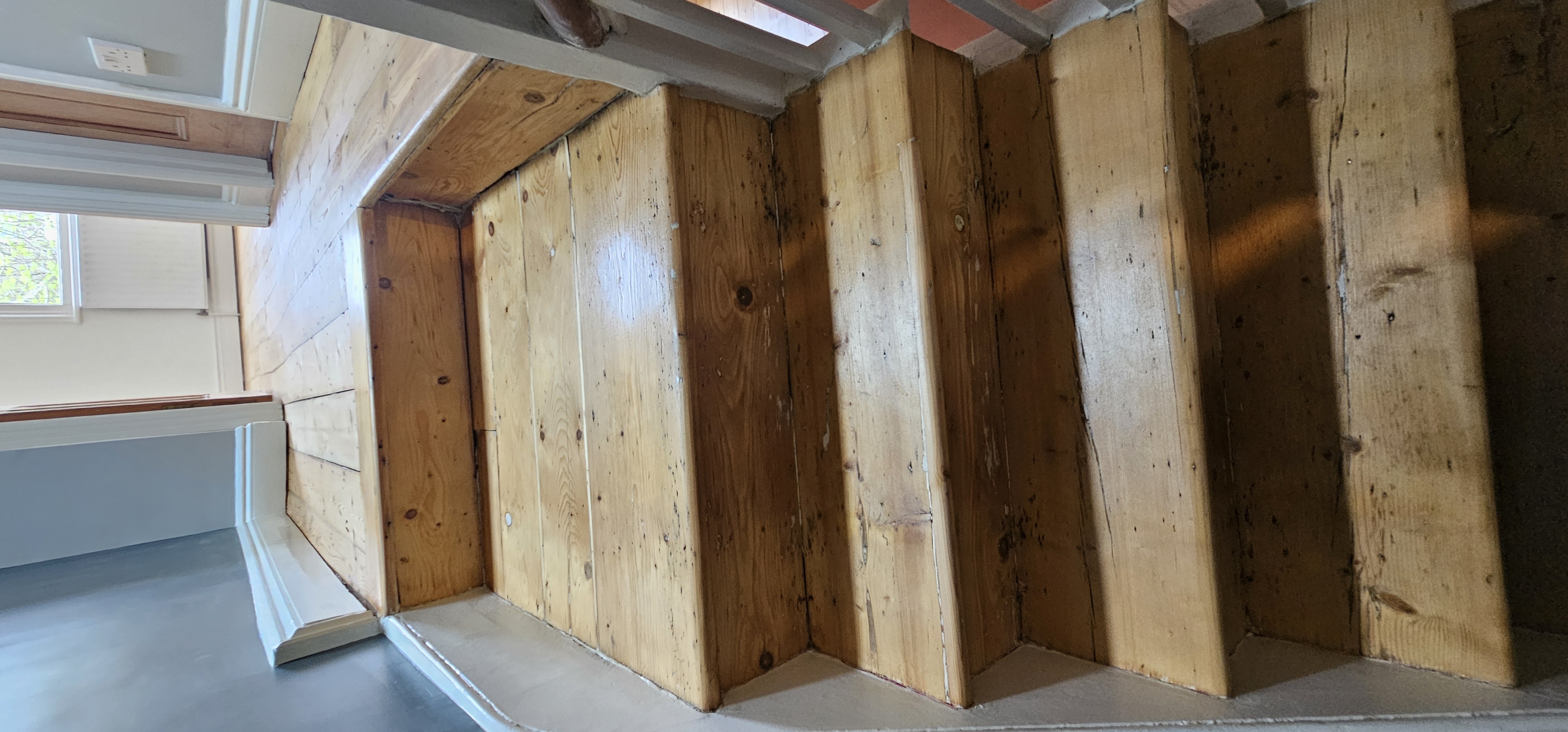
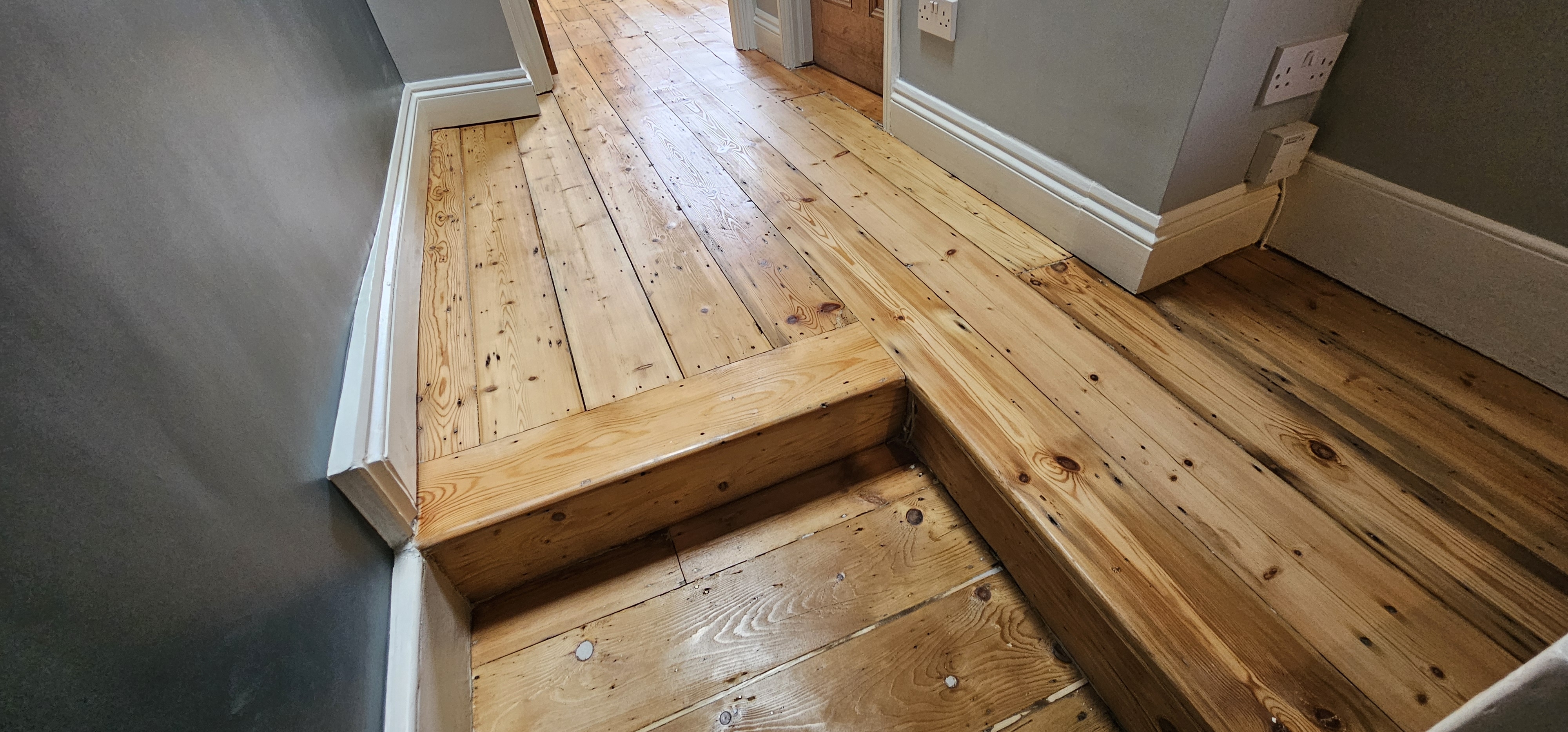
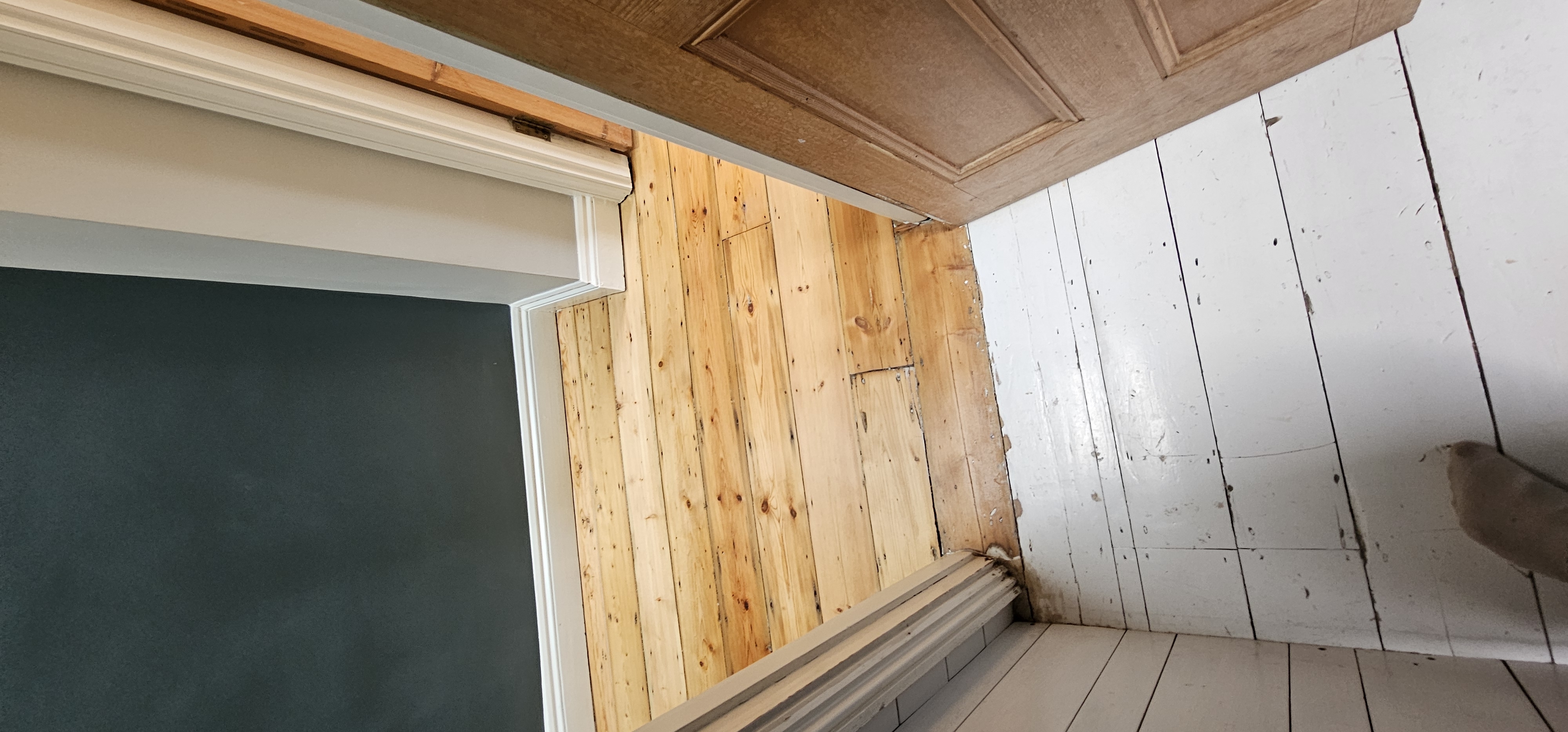
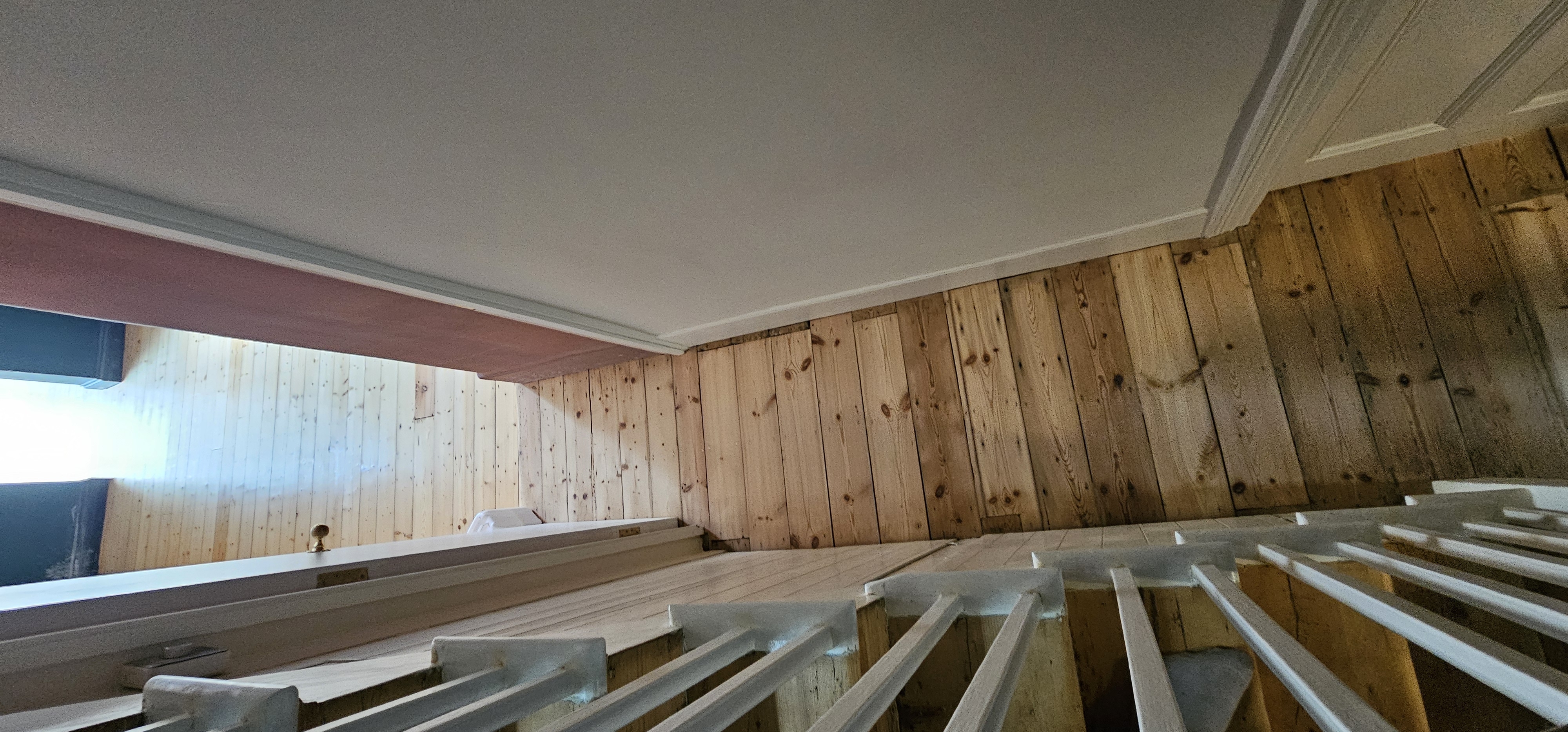
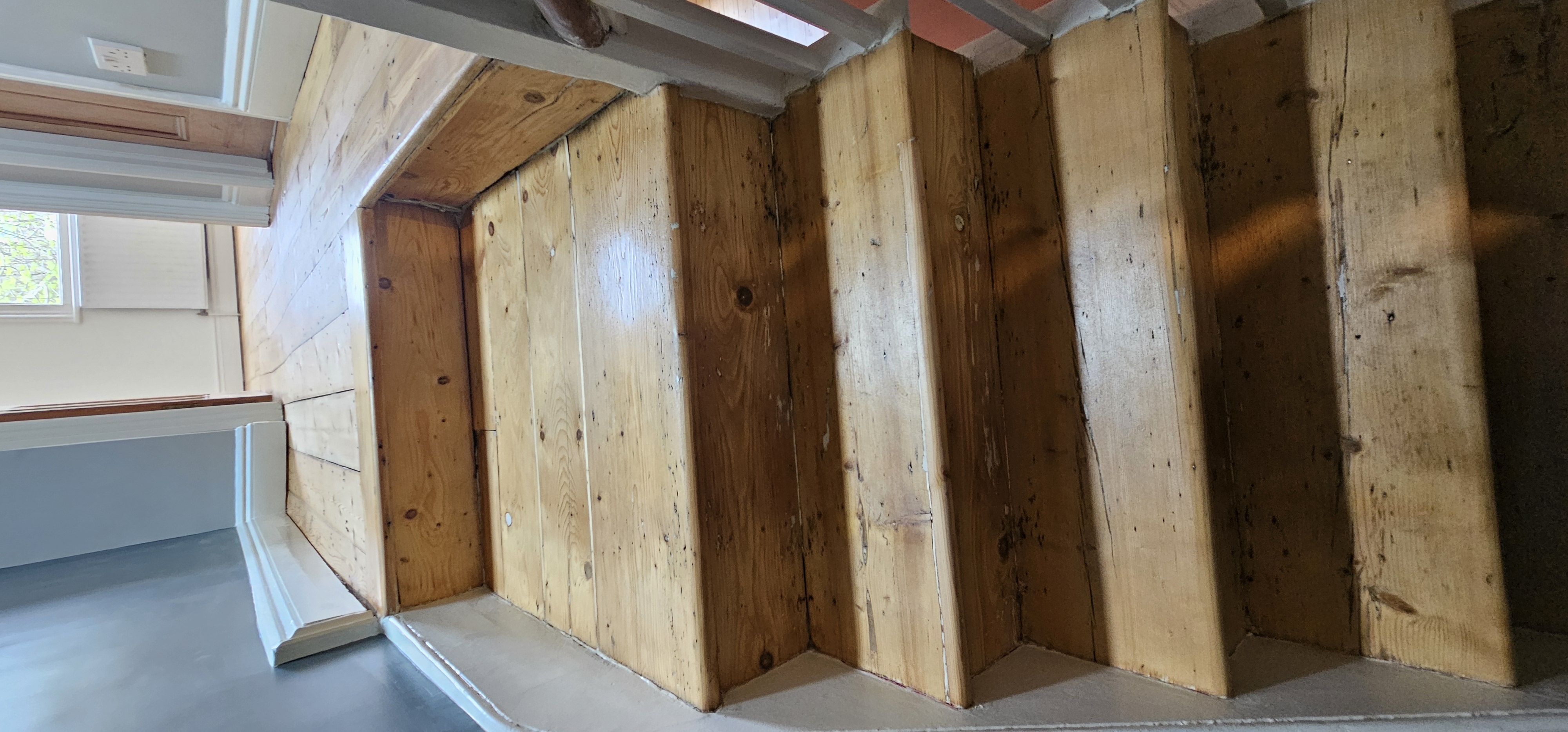
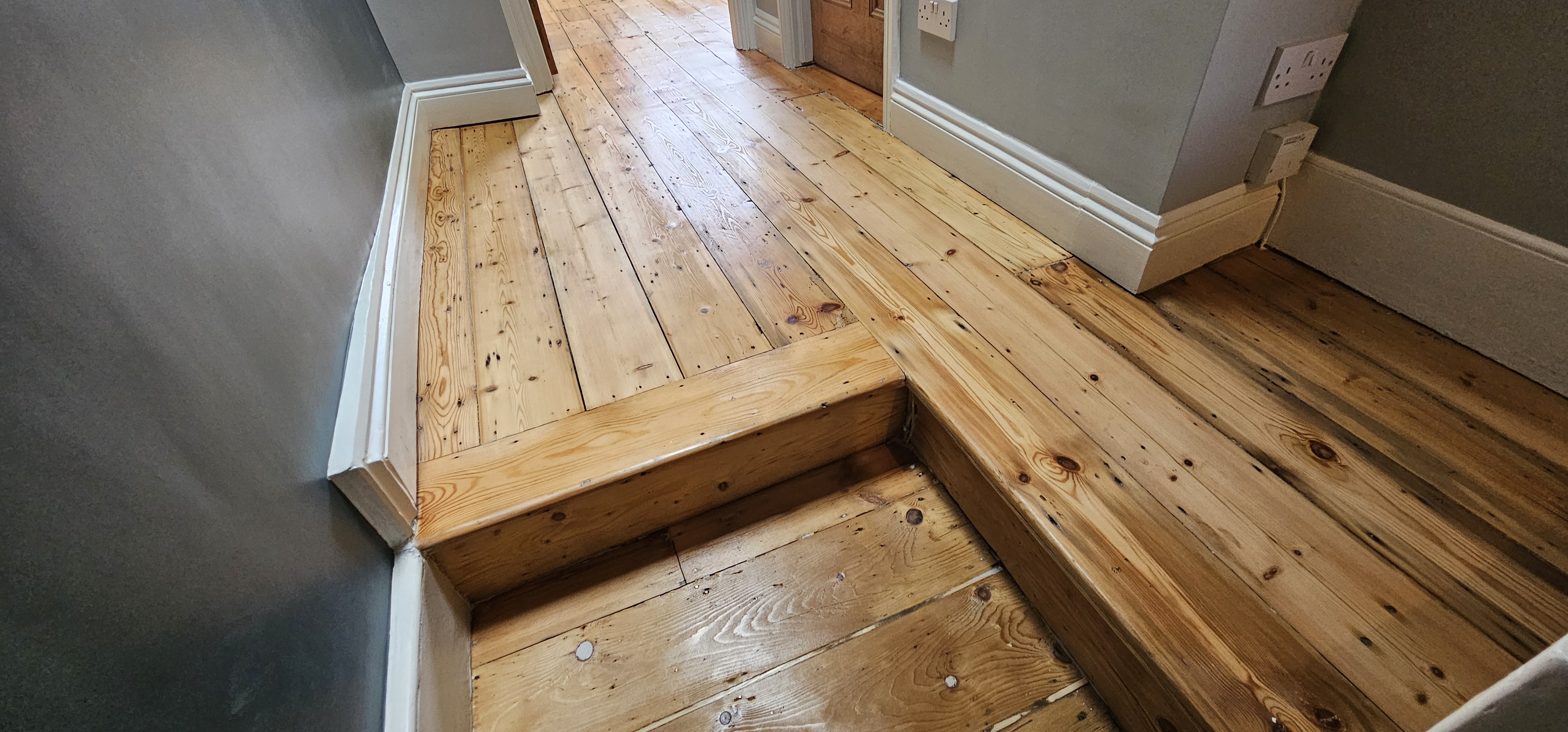
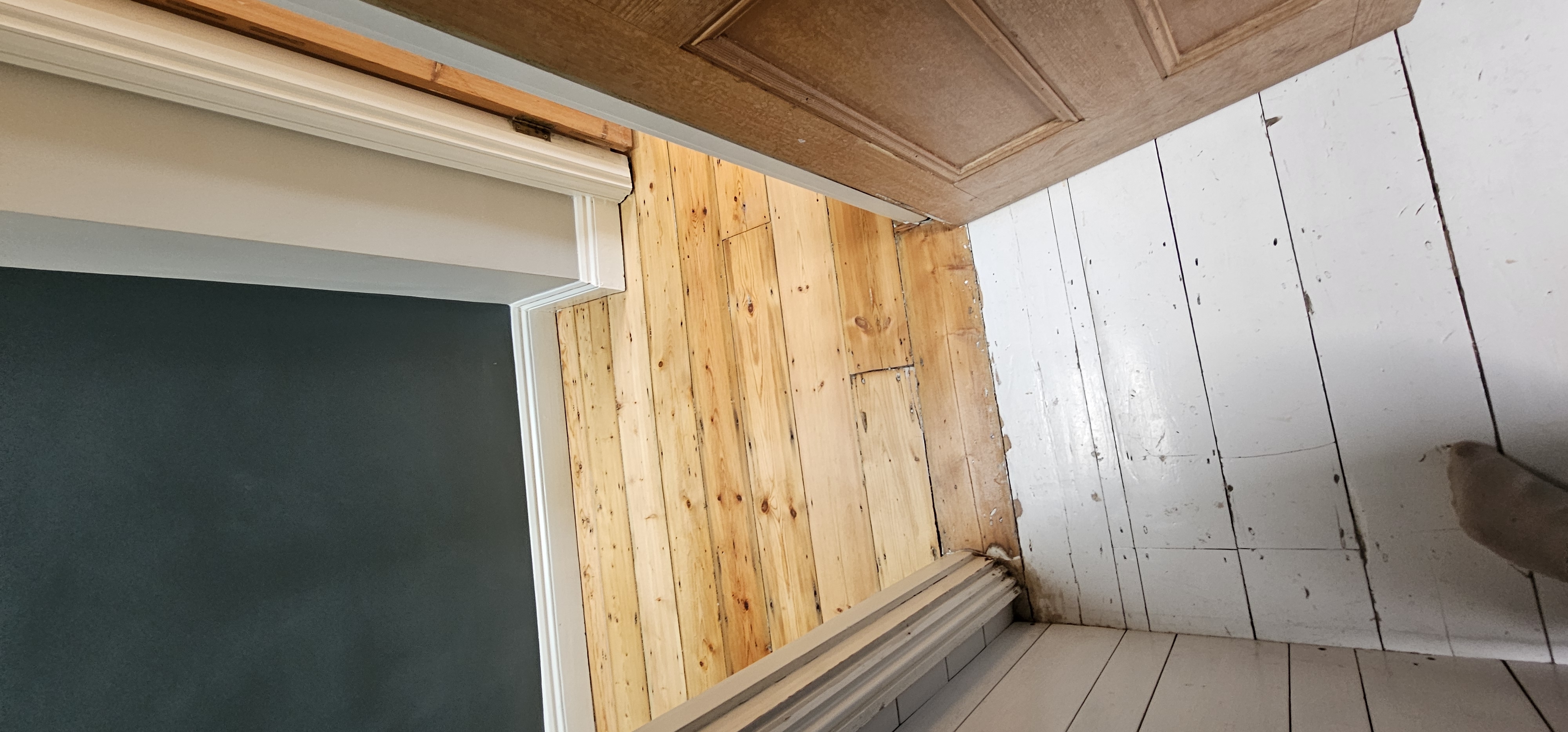
Floor Sanding in Barnet
Floor Sanding in Barnet
We recently completed a full floor sanding project on a 1920s semi-detached property in Barnet, restoring tired oak boards to their original finish. The homeowner had lived with worn, scratched flooring for several years and wanted to breathe new life into the space without replacing the boards. Our team stripped back the old lacquer and surface damage, then sanded and sealed the entire ground floor in a single week.
Work carried out
- Assessment of existing floorboards and structural condition
- Dust containment setup throughout the property
- Sanding all ground floor oak boards with progressive grit progression
- Hand sanding edges and corners
- Filling gaps between boards with matching timber filler
- Two coats of water-based polyurethane sealer applied
- Final inspection and site clearance
About the project
The property had original hardwood floors throughout the ground floor, but decades of foot traffic had left them looking dull and heavily marked. The existing finish was an old oil-based varnish that had yellowed considerably. The client's main concern was managing the dust, as they had young children in the house and were keen to minimise disruption. We installed a dust containment system using plastic sheeting and negative air extraction, which meant the sanding process stayed contained in the work areas rather than spreading throughout the home.
We used a three-stage sanding approach, starting with coarse grit to remove the old finish and level any cupping or slight unevenness in the boards, then medium grit to smooth the surface, finishing with fine grit for a polished result. This took approximately three days of sanding. Once we'd removed all dust and sealed the floor with two coats of modern water-based polyurethane, the transformation was obvious. The natural grain of the oak was restored, and the new sealant provided a durable finish that's easier to maintain than the original oil-based varnish.
About our Barnet service
Barnet contains a mix of property types spanning over 150 years of building styles. Victorian terraces and semi-detached homes from the late 1800s are common throughout the area, as are Edwardian properties from the early 1900s. Most of these older properties have hardwood flooring as standard, typically oak, pine or a combination of both. We regularly work on these period properties, where original boards are usually worth restoring rather than replacing. They've often been covered with carpet for decades, which actually protects the wood underneath, so even heavily worn floors often sand down beautifully.
We also work on newer properties and apartment conversions in Barnet, where engineered oak or solid strip flooring is common. These require slightly different techniques and equipment compared to older solid boards, but the underlying principle is the same. Understanding the age and construction of each property helps us choose the right approach. Victorian pine boards might need gap filling and careful handling, while modern engineered floors often require gentler sanding to avoid compromising the veneer.
Frequently asked questions
How much does floor sanding cost?
The cost of sanding typically ranges from £25 to £45 per square metre, depending on the floor condition, board type, and the finish you choose. Heavily scratched floors or those that need repairs will sit at the higher end. We provide a site visit and quote based on the actual floor condition rather than a formula.
How long does sanding take?
A typical room of around 20 to 30 square metres takes one to two days to sand fully. This includes preparation, the actual sanding process with multiple grits, edge work, and cleaning up. Sealing can begin once the dust has settled, though this often happens the following day to allow the floor to dry completely.
Is the dust-free process really effective?
Our dust containment system captures approximately 95 percent of the dust produced during sanding. We use portable negative air units that filter dust and prevent it from spreading to other rooms. While some fine dust is inevitable with any sanding work, this system keeps it to a minimal level. The floor is thoroughly vacuumed before sealing, which removes remaining particles.
Project Gallery